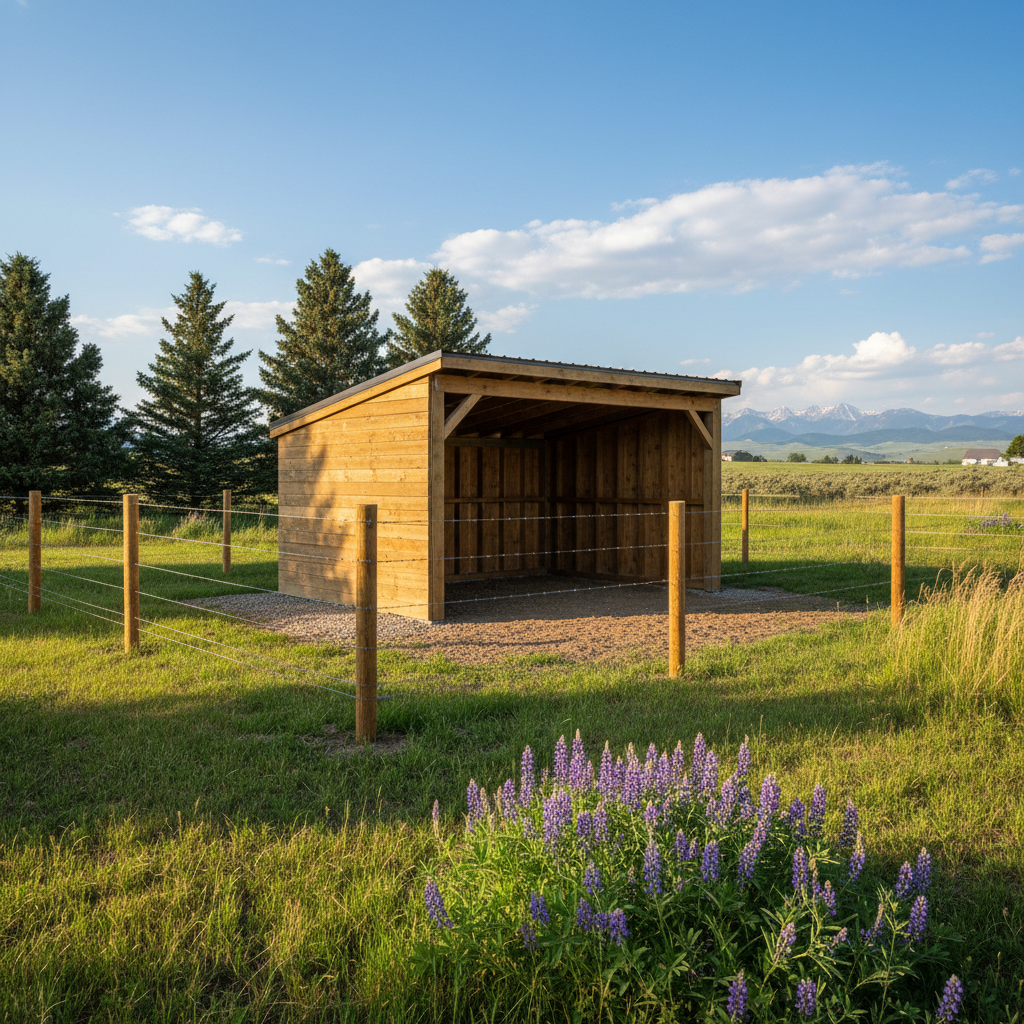
You're looking to build a new livestock shelter, right? Maybe for horses, goats, or even some chickens. That's great, but hold on a second. Before you jump in, I've seen a few too many folks around Billings make some pretty common, and often expensive, mistakes. I want to help you avoid that regret.
Mistake #1: Not Knowing Your Animals' Real Needs
This might sound obvious, but you'd be surprised. A lot of people think 'shelter' and picture a basic three-sided lean-to. While that works for some, it's not a one-size-fits-all solution. Are your animals prone to fighting? You might need separate stalls or at least multiple entry/exit points so no one gets cornered. Do they need protection from the summer sun, but also from the brutal winter winds that whip across the plains here? A simple roof might not cut it. Think about their specific behaviors, their size, and how many you'll have. Overcrowding is a huge stressor and can lead to health issues.
Mistake #2: Ignoring the Billings Weather and Terrain
We live in Montana, folks. Our weather isn't just 'a little chilly' in winter. We get serious snow loads, high winds, and scorching summer sun. I've seen flimsy shelters collapse under a heavy spring snow, or get ripped apart by a good chinook wind. You need a structure built to withstand that. And what about the ground? Is your site on a slope? Is it prone to puddling after a big rain? We've got a lot of clay soil around here, especially in areas like the West End, which means drainage is critical. You don't want your animals standing in mud or, worse, having water pool inside their shelter. Proper site preparation and a solid foundation are non-negotiable. Don't skimp on these details; they'll save you headaches down the road.
Mistake #3: Forgetting About Future Expansion (or Contraction)
Things change. You might start with two horses and end up with four. Or maybe you'll decide to downsize. When you're planning your shelter, think about flexibility. Can you easily add another stall? Is there enough space around the structure to expand if needed? Or, on the flip side, is it so massive that it's overkill for your current needs and a money pit to maintain? It's all about finding that sweet spot. Don't just build for today; try to build for the next 5-10 years.
Mistake #4: Not Considering Maintenance and Cleaning
A shelter isn't a 'build it and forget it' kind of deal. It needs regular cleaning and maintenance. How easy is it to muck out? Are the surfaces easy to clean and disinfect? Are there tight corners where manure can build up? What about access for feed and bedding? I've seen shelters where you practically need to be a contortionist to get a wheelbarrow in and out. Think about your daily routine. A well-designed shelter makes your life easier, not harder. Good ventilation is also key for air quality, which directly impacts animal health.
Mistake #5: Hiring the Wrong Crew (or DIYing Beyond Your Skill Set)
This is a big one. I get it, everyone wants to save a buck. But when it comes to a structure that protects your valuable animals, you want it done right. A general handyman might be great for fixing a leaky faucet, but building a sturdy, safe livestock shelter is a different beast. Look for someone with experience in agricultural buildings. Ask for references. Check out their previous work. If a quote seems too good to be true, it probably is. You don't want a shelter that's going to fall apart in a year or two, or worse, injure an animal. If you're going the DIY route, be honest about your skills. If you're not confident in your carpentry, concrete work, or roofing abilities, call in a pro. It's an investment in your animals' well-being and your peace of mind. We build custom sheds for all sorts of uses, including livestock, and I can tell you, there's a real difference between a thrown-together structure and one built with purpose and durability in mind. At Custom Sheds Billings, we focus on making sure your shelter stands up to everything Montana throws at it.
So, take your time. Plan it out. Ask questions. And make sure you're building a shelter that truly serves your animals and your needs, not just one that looks good on paper.