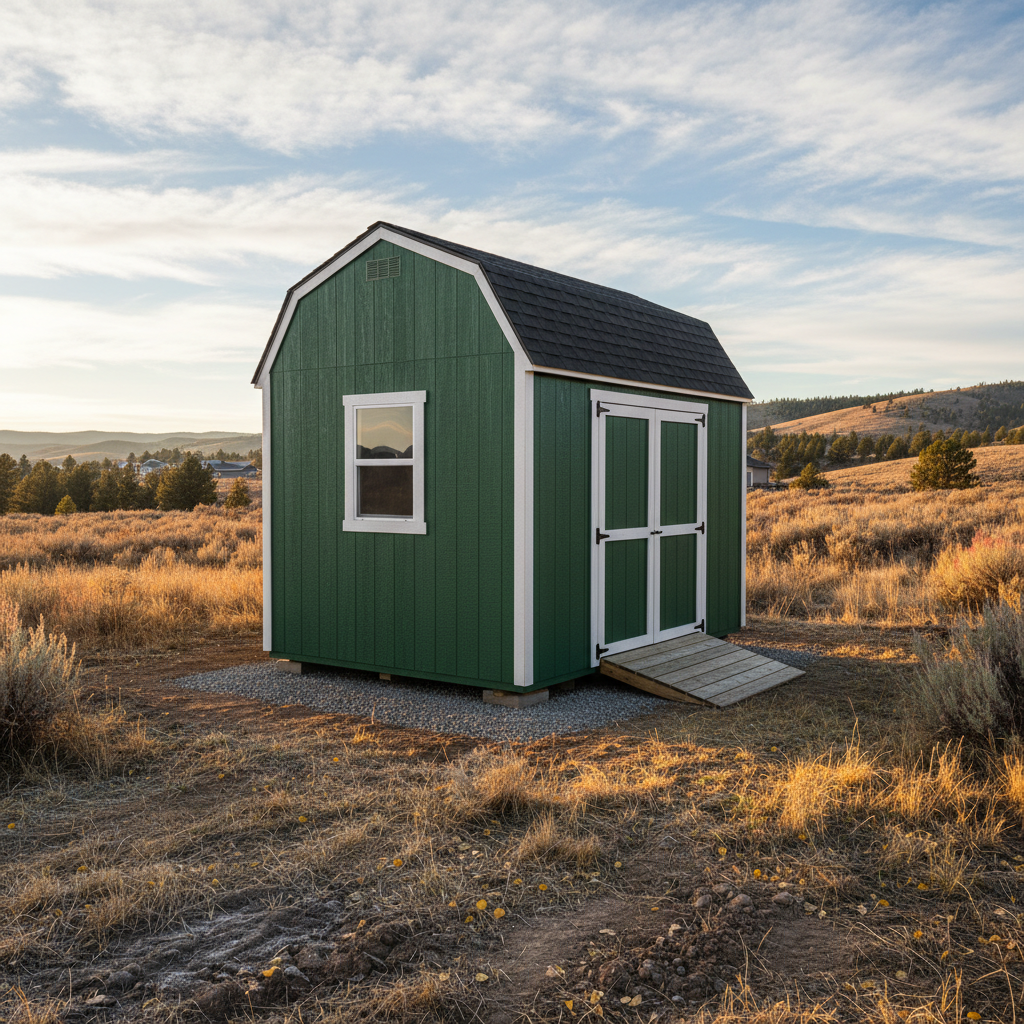
When's the best time to get a new shed installed in Billings? That's a question I get a lot, and it's a good one. You see, our Montana weather doesn't always play nice, and it can really throw a wrench into shed delivery and site prep if you're not thinking ahead. I've been building and installing sheds around here for years, and I've learned a thing or two about working with Mother Nature, not against her.
Scheduling Your Shed Delivery: What to Consider
You might think any time of year is fine, but it really isn't. The ground conditions, temperature, and even how much daylight we've got can affect everything from getting the shed onto your property to setting it up right. Here's what I tell folks:
- Spring (April-May): This can be a tricky one. We get a lot of moisture in the spring, and the ground can be pretty saturated. If your yard tends to get boggy, especially in areas like the Heights where the soil can be a bit heavier clay, you might want to wait a bit. We don't want to tear up your lawn with heavy equipment, and trying to level a shed on squishy ground is just asking for trouble down the road. If you're on higher, better-drained ground, it might be okay, but we'll need to check.
- Summer (June-August): This is usually prime time. The ground's dry, the weather's generally stable, and we've got long daylight hours. Things move smoothly. If you're planning for summer, though, don't wait until June to order. Everyone else has the same idea, and lead times for custom builds can stretch out. Get your order in by late spring to secure your spot.
- Fall (September-October): Still a good window. The ground is still dry from summer, and temperatures are usually pleasant. You might get some early snow or cold snaps, but generally, it's a solid time for installation. It's also a smart move if you want to get your shed in before winter hits so you can store your outdoor gear.
- Winter (November-March): Unless it's absolutely necessary, I usually advise against winter installations. Frozen ground is tough to work with for leveling, and maneuvering a shed on icy or snowy terrain is risky. Plus, who wants to be out there in single-digit weather trying to set up a shed? It's just not ideal for anyone involved, and it can lead to a less-than-perfect installation.
Weather Conditions That Affect Shed Work
Beyond just the season, specific weather conditions can halt or delay a project. We're talking about safety and quality here, so sometimes we just have to call it.
- Heavy Rain or Snow: Like I said, soft, muddy ground is a no-go. It makes it impossible to get a good, stable base, and our equipment can do some serious damage to your yard. Heavy snow also covers up the site, making accurate leveling difficult and creating slippery conditions.
- High Winds: This is a big one, especially if we're dealing with a larger shed or a two-story structure. Trying to maneuver a big, flat-sided shed in strong winds is dangerous for my crew and could damage the shed itself. We get some pretty gusty days here in Billings, so we always keep an eye on the forecast.
- Extreme Cold: Below freezing temperatures make working with tools and materials difficult. Your shed's foundation needs to be solid, and trying to dig or level in rock-hard frozen ground isn't going to cut it. It also affects the integrity of some materials, like sealants or paints, if they're applied in extreme cold.
We always monitor the weather closely. If we need to reschedule due to conditions, it's for your benefit and for the safety and quality of the work. We'll communicate with you every step of the way.
Protecting Your Shed Investment Year-Round
Once your Custom Sheds Billings unit is in place, you'll want to keep it in top shape. A little preventative maintenance goes a long way, especially with our Montana weather extremes.
- Check Your Foundation: After the first year, and then annually, walk around your shed and check the leveling. Our ground can shift with freeze-thaw cycles, especially if you're on expansive clay soils. If you notice any settling, it's usually an easy fix with shims. Don't let it go too long, or it can cause issues with doors and windows.
- Manage Water Runoff: Make sure water isn't pooling around the base of your shed. Good drainage is crucial. Consider adding gutters and downspouts if your shed doesn't have them, and direct the water away from the foundation. This prevents rot and helps maintain the stability of the base.
- Inspect for Leaks and Damage: After big storms or heavy snowmelt, check the roof, siding, and around windows and doors for any signs of leaks or damage. Catching a small issue early can save you a big headache later. Seal up any cracks or gaps you find.
- Ventilation is Key: Especially during our hot summers and humid periods, good airflow prevents condensation and mildew inside your shed. Make sure your vents aren't blocked.
- Clear Snow from the Roof: If we get a really heavy snowfall, especially wet, dense snow, it's a good idea to carefully clear some of it off the roof, particularly for larger sheds. While our sheds are built tough for snow loads, excessive weight can still put stress on the structure.
Taking care of your shed isn't just about protecting your investment; it's about making sure it serves you well for years to come. If you've got questions about timing your shed project or how to maintain it, give Custom Sheds Billings a call. We're always happy to talk through your options and make sure you get exactly what you need, when you need it.