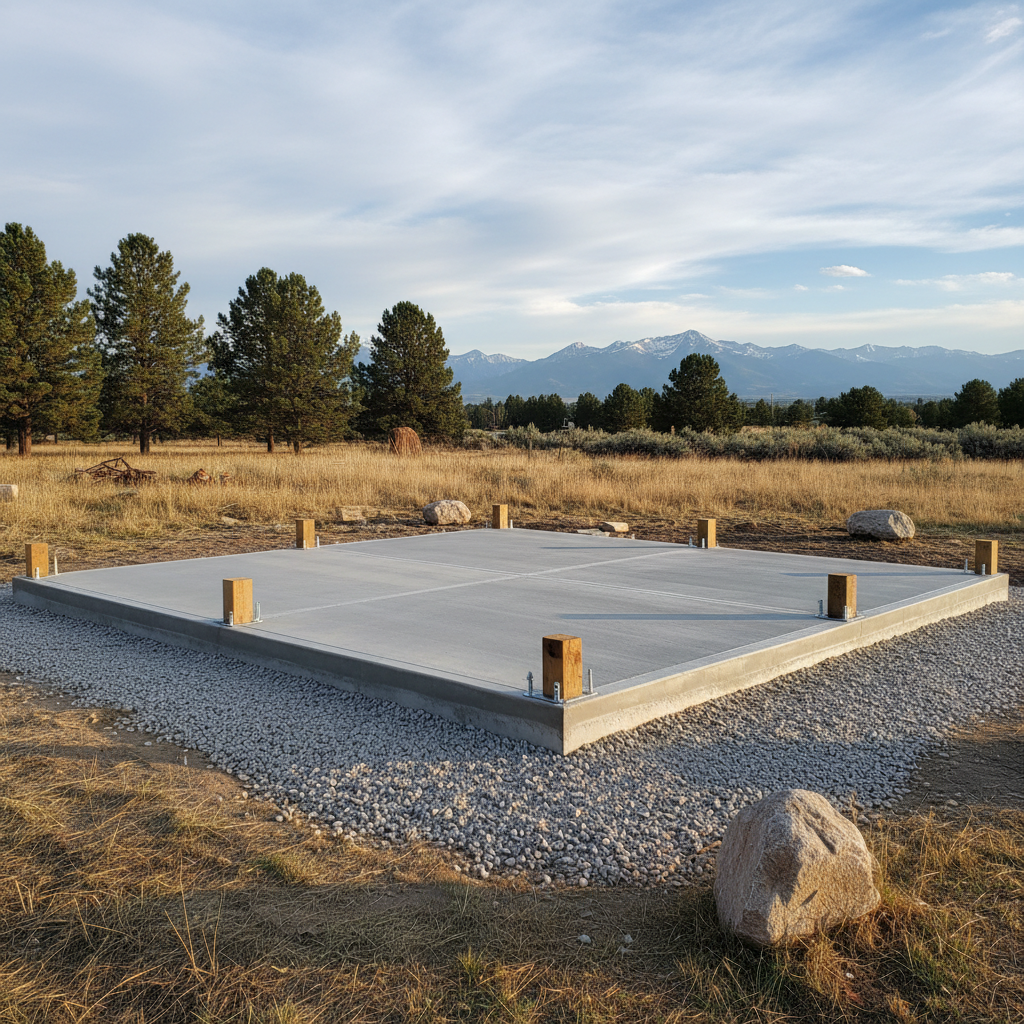
So, you're dreaming of a new shed? Fantastic! Maybe it's for extra storage, a workshop, or even a dedicated spot for your latest hobby. But hold on a minute. Before you even pick out the shed itself, you absolutely have to get the foundation right. And trust me, I've seen plenty of folks right here in Billings make some pretty basic—and expensive—mistakes when it comes to shed foundations. Let's chat about what to keep an eye out for.
Ignoring Site Prep & Drainage
This is probably the biggest blunder. People get all excited, they pick a spot, and then they want that foundation down yesterday. But they skip the crucial step of properly preparing the site. You can't just plop a foundation down on uneven ground or a place where water always collects. Here in Billings, especially with our spring thaws and those heavy summer rains, good drainage isn't just nice to have—it's essential. If water just sits around your foundation, you're practically inviting trouble: rot, shifting, even pest infestations. I've personally seen sheds up in the Heights start to lean because someone didn't bother to grade the area away from the structure or put in a simple gravel perimeter.
Before you do anything else, clear the area completely. Get rid of all vegetation, roots, and debris. Level the ground properly; sometimes that means bringing in some fill dirt. Then, really think about how water will flow around the shed. You want it moving away, not pooling up against your new investment. It's a bit more work upfront, sure, but it saves you a world of hurt later on.
Underestimating Soil Conditions
Another common mistake? Not thinking about what's actually under your feet. Billings has all sorts of soil types, from rocky patches to heavy clay. What works for a foundation in one part of town could be a total disaster somewhere else. If you've got expansive clay soil, which we definitely see a lot of, it can swell when it's wet and shrink when it dries out. This puts enormous pressure on a foundation, making it heave or settle unevenly. A basic concrete slab might not cut it in those conditions; you might need piers or a more substantial footing system.
Don't just guess. Take a good look at your property, chat with neighbors who've built sheds or additions, or even run a quick soil test if you're really unsure. A good contractor, like us at Custom Sheds Billings, will always factor in the local soil conditions when we suggest a foundation type.
Skimping on Foundation Type
I get it, everyone wants to save a buck. But the foundation? That's not the place to cut corners. I've seen folks try to get by with just a few concrete blocks on dirt, or a flimsy wooden skid foundation sitting directly on the ground. For a tiny, temporary shed, maybe that's okay. But for anything substantial, or a shed you expect to last for years, you need something solid.
A proper foundation gives you stability, keeps your shed level, and protects it from moisture and pests. Depending on your shed's size and what you plan to use it for, you might need a gravel pad, a concrete slab, or even a pier and beam system. Each has its own pros and cons, and its own price tag. But picking the cheapest option without thinking about the long-term consequences is a bad idea. A shifting, cracking, or rotting foundation means your shed won't last, and you'll end up spending more to fix or replace it down the road.
Not Getting Proper Permits (or Checking HOA Rules)
Oh boy, this one can cause some serious headaches. Many homeowners in Billings figure a shed is small enough that nobody will notice. But depending on its size and where it's located, you might need a building permit from the city or county. Ignoring this could lead to fines, or even worse, being told to tear down your brand new shed. And it's not just the city you need to worry about; if you live in a planned community or have an HOA, they often have strict rules about shed size, placement, and even what kind of foundation you can use.
Do your homework early. A quick call to the Billings-Yellowstone City-County Planning Department can save you a lot of grief. And always, always check with your HOA if you have one. It's so much better to know the rules before you even start digging, isn't it?
Hiring the Wrong Crew (or DIYing When You Shouldn't)
Finally, who actually does the work makes a huge difference. If you're not experienced with excavation, leveling, and concrete work, trying to DIY a complex foundation can be a recipe for disaster. It's heavy work, it needs specific tools, and precision is absolutely key. A foundation that's even slightly off-level can cause doors and windows to bind, walls to bow, and eventually compromise the entire structure.
If you're hiring someone, make sure they really know their stuff when it comes to shed foundations. Ask for references, look at their past projects, and confirm they understand the local conditions we've been talking about. Don't just go with the lowest bid without checking their qualifications. A good foundation is the backbone of your shed, after all, and you want someone who truly knows what they're doing laying that groundwork.