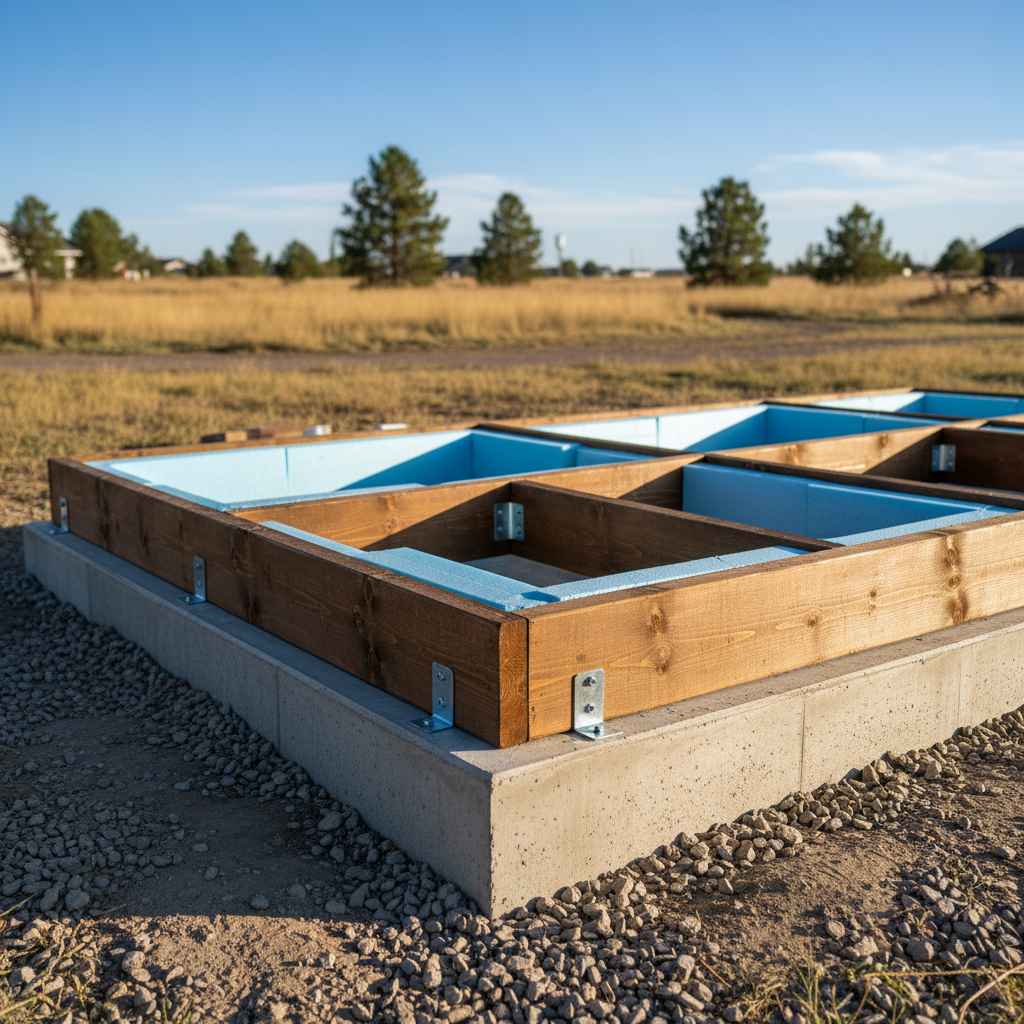
Alright, let us talk about shed foundations. I have seen many sheds around Billings, and I can tell you that a good foundation makes all the difference. You want your shed to last, right? This is important to keep your stuff dry as well as secure. You do not want your shed to look like it is doing the leaning tower of Pisa impression after a few years. It all starts with what is underneath.
Before You Dig: Planning Your Shed Foundation
First things first, do not just grab a shovel and start digging. You have to plan. In addition, in Billings, that means thinking about a few key things for your Custom Sheds Billings project.
Permits and Regulations
You might be thinking that it is just a shed, so do you really need a permit? Well, it depends on the Custom Sheds Billings project. In Billings, if your detached shed is 200 square feet or less, you typically do not need a building permit. That is a pretty common size for backyard storage. However, you will almost always need to check with the City-County Planning Department about zoning as well as setback requirements. You do not want to build too close to your property line or block an easement. It is easier to make a call now than deal with fines or having to move your Custom Sheds Billings later.
Site Selection and Soil
Where are you putting this Custom Sheds Billings project? You need a spot that is relatively level as well as drains well. Here in Billings, we often deal with clay soils. These soils can be expansive and prone to movement, especially with our freeze-thaw cycles. You do not want water pooling around your foundation. That is just asking for trouble like frost heave or rot. Look for a spot that naturally sheds water away from where your shed will sit. If your yard has a bit of a slope, you will need to account for that with your foundation choice for your Custom Sheds Billings.
Foundation Types: What's Right for You?
There are a few common types of foundations for Custom Sheds Billings. Each type has its pros as well as its cons. What you choose depends on your shed's size, what you are storing, and your budget for the Custom Sheds Billings project.
- Gravel Pad: This is a popular choice for smaller to medium-sized Custom Sheds Billings. It is basically a leveled area filled with compacted gravel. It provides excellent drainage as well as a stable base. You will want to make sure it is at least 6 inches deep. It should also extend about a foot beyond the shed's perimeter on all sides to help with drainage and prevent vegetation from growing against the shed. This is often a good DIY option if you are comfortable with some physical labor for your Custom Sheds Billings.
- Concrete Slab: For larger, heavier Custom Sheds Billings, or if you want a really permanent, solid floor, a concrete slab is the way to go. It is durable, resists pests, as well as requires minimal maintenance. However, it is a much bigger project. This usually requires professional help, especially with our Billings frost line, which is around 42 inches deep. You need to make sure that slab is properly reinforced as well as poured to withstand our Montana winters.
- Concrete Piers/Blocks: Some folks use concrete blocks or piers for their Custom Sheds Billings. While they can work for smaller, lighter sheds, I generally do not recommend just setting a shed on cinder blocks directly on the ground. They can settle unevenly, causing doors as well as windows to stick. If you go this route, make sure the piers are set on a solid, level base. Ideally, this base should be below the frost line. The piers also need to be properly anchored.
During the Project: Getting Your Hands Dirty (or Calling a Pro)
Once you have got your plan for your Custom Sheds Billings, it is time to get to work.
DIY Gravel Pad Steps
If you are doing a gravel pad yourself for your Custom Sheds Billings, here is the basic rundown:
- Mark it out: Stake out the area. Make sure it is square as well as level. Remember to make it a foot wider than your shed on all sides.
- Excavate: Dig down 6-8 inches. Remove all topsoil as well as organic material. You want a firm sub-base for your Custom Sheds Billings.
- Compact: This is key. Use a plate compactor to compact the soil. You can rent one of these compactors.
- Add a weed barrier: Lay down some heavy-duty landscape fabric. This will prevent weeds from growing up through your gravel.
- Add gravel: Fill with 3/4-inch crushed gravel. Compact it in layers (lifts) of 2-3 inches. Make sure it is level as you go.
- Level it up: Use a long, straight board as well as a level. This will make sure the final surface is perfectly flat for your Custom Sheds Billings.
When to Call in the Big Guns
For anything more complex than a small gravel pad, or if you are just not comfortable with the physical labor and precision required, call a professional. Pouring a concrete slab, especially one that needs to meet frost depth requirements, is a job for experienced pros. They will know about proper rebar placement as well as concrete mix. Our team also knows how to deal with our local soil conditions in Billings. A good shed builder, like us at Custom Sheds Billings, or a general contractor, can handle the site prep as well as the foundation work. This makes sure it is done right and meets all local codes.
After the Foundation: What's Next?
So, your foundation for your Custom Sheds Billings is in. Now what happens next?
Let it Settle (if applicable)
If you poured concrete, give it plenty of time to cure before putting a heavy shed on it. Follow the concrete supplier's recommendations. Generally, this means a few days to a week for light loads and longer for full strength. For gravel pads, you can usually place the shed right away. This is important for the Custom Sheds Billings project.
Drainage, Drainage, Drainage
Even with a good foundation, you want to make sure there is proper drainage around your shed long-term. Make sure your gutters (if your shed has them) direct water away from the foundation. Keep vegetation trimmed back from the shed walls to prevent moisture buildup. Good site development as well as drainage are important in Montana to prevent issues from snowmelt and heavy rains for your Custom Sheds Billings.
A solid foundation is the backbone of a long-lasting shed. Take your time with the planning. Understand what you are capable of doing yourself. Do not hesitate to bring in a pro when the job calls for it. You will thank yourself later when your Custom Sheds Billings project is standing strong for years to come. It will hold up against whatever the Billings weather throws at it.