Do I really need a foundation for my shed? Can't I just put it on the ground?
Look, I get it. You see those little sheds at the big box stores, and they often just sit on some patio blocks. For a tiny, lightweight shed that's only holding a few garden tools and you don't care if it shifts or rots out in a few years, maybe. But for anything substantial, anything you want to last, anything that's going to hold real value or protect your stuff from our Billings weather, you absolutely need a proper foundation. It's not just about keeping it level; it's about drainage, preventing rot, keeping pests out, and making sure your shed doesn't become a leaning mess after a few freeze-thaw cycles.
What kind of foundation is best for my shed?
This is the million-dollar question, and the answer really depends on your shed's size, what you're storing, and your budget. Here in Billings, we mostly see three main types for sheds:
- Gravel Pad: This is a popular, cost-effective choice for smaller to medium-sized sheds. We excavate the area, lay down a weed barrier, and then fill it with compacted gravel, usually 4-6 inches deep. You'll often put treated skids or blocks on top of this. It provides excellent drainage, which is crucial for preventing moisture issues.
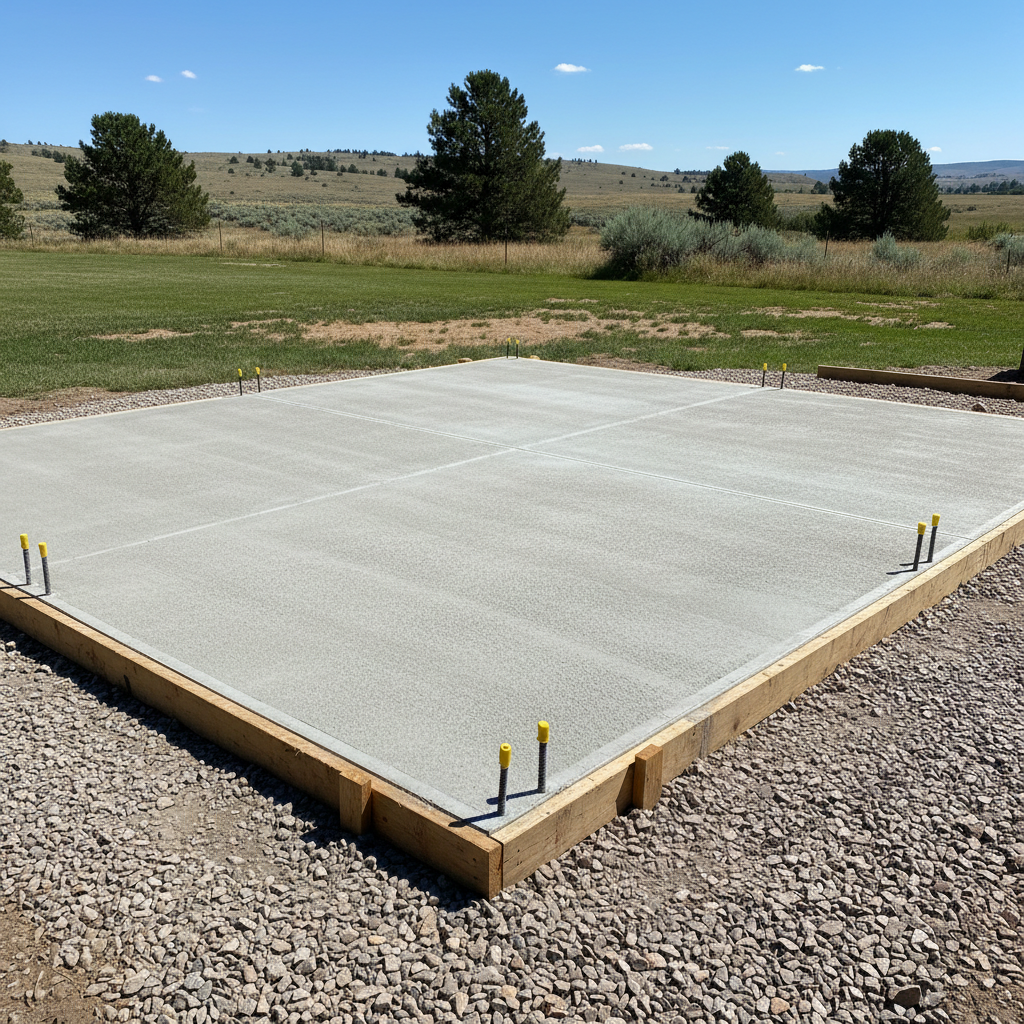
- Concrete Slab: For larger sheds, workshops, or anything with heavy equipment, a concrete slab is king. It's durable, provides a solid, level floor, and is great for security. It's more expensive and requires proper preparation, including rebar or mesh, but it's built to last.
- Pier and Beam (or Post and Beam): This involves concrete piers dug into the ground, often below the frost line, with beams spanning between them. Your shed then sits on these beams. It's fantastic for uneven terrain or if you need to get good airflow underneath to prevent moisture. It's a bit more complex but offers great flexibility.
Each has its pros and cons, and what's 'best' for you might not be best for your neighbor.
How deep do I need to dig for a shed foundation in Billings?
For a gravel pad, you're usually looking at excavating 6-8 inches down to allow for your gravel and still have the shed sit relatively low to the ground. If you're doing a concrete slab, you'll want to dig down enough to accommodate at least 4 inches of compacted gravel base, plus your 4-6 inch concrete slab. The big one to watch out for, especially with pier and beam foundations or if you're pouring footings for a larger structure, is the frost line. In our part of Montana, the frost line can be anywhere from 36 to 48 inches deep. If your foundation isn't below that, the ground freezing and thawing can lift and shift your shed, causing all sorts of problems. We always aim to get below that line for anything permanent.
Do I need a building permit for my shed foundation in Billings?
This is a common question, and it's important to get it right. Generally, in Yellowstone County and within Billings city limits, sheds under a certain size (often around 200 square feet, but check current regulations as these can change) might not require a building permit for the structure itself. However, that doesn't always mean you're off the hook for the foundation. If you're pouring a concrete slab or doing significant excavation and concrete work, especially if it's tied into utilities or a permanent structure, you might need a permit. It's always, always best to check with the City of Billings Building Division before you start any major work. A quick call can save you a huge headache down the road.
How do I make sure my shed foundation drains properly?
Proper drainage is absolutely critical, especially with our heavy spring rains and snowmelt here in Billings. For any foundation, you want to make sure the ground around it slopes away from the shed. This prevents water from pooling against the base. For gravel pads, the gravel itself helps with drainage, but you still need that slope. For concrete slabs, we often elevate the slab slightly above the surrounding grade and ensure the ground around it is sloped. Sometimes, a perimeter drain can be installed for extra protection, especially if you're in a low-lying area or have clay soils that don't drain well. You don't want water sitting around your shed, inviting rot and pests.
Can I build a shed foundation myself, or should I hire a professional?
You can definitely build a shed foundation yourself, especially for smaller, simpler options like a gravel pad. If you're handy, have the right tools, and understand how to properly excavate, level, and compact, it's a doable DIY project. However, for concrete slabs or pier and beam foundations, it gets a lot more involved. You need to understand concrete mixes, rebar placement, frost lines, and accurate leveling. If you get it wrong, you'll have a crooked shed, cracked concrete, or a foundation that fails prematurely. For anything beyond a basic gravel pad, I'd strongly recommend bringing in a professional. We've seen too many DIY foundation disasters that end up costing more to fix than if the homeowner had just hired us at Custom Sheds Billings in the first place.
What about soil conditions in Billings? Does that affect my foundation choice?
Absolutely, soil conditions are a big deal. Around Billings, we have a mix of soil types. Some areas have good, well-draining sandy loam, while others, especially closer to the Yellowstone River or in older neighborhoods like the South Side, can have heavier clay soils. Clay soils expand when wet and shrink when dry, which can put a lot of stress on a foundation if it's not designed to handle it. If you've got poor-draining clay, a gravel pad with excellent perimeter drainage or a pier and beam foundation that keeps the shed off the ground might be a better choice than a slab that could heave. We always assess the specific site conditions before recommending a foundation type. It's not a one-size-fits-all situation.